
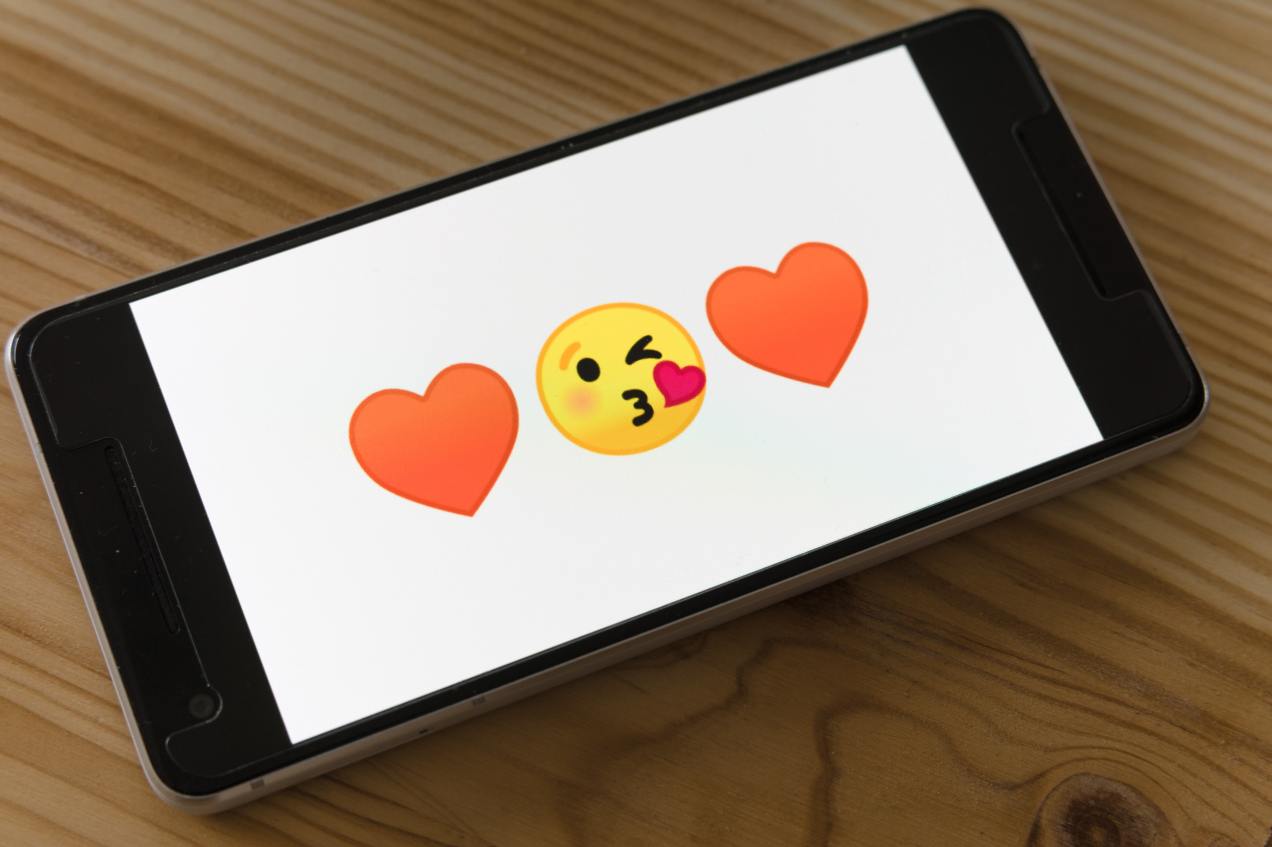
“How has the Internet changed the dating industry?”
It’s a question I was recently asked to write about.
When I went to university, I signed up for three separate dating apps. The first, and most common app to be on at my university, was Tinder. I was on Tinder for about two years before I had enough of the app and uninstalled it from my phone. Next, I downloaded Bumble and Hinge, apps that promised to filter out the “time-wasters” as they gave you more control over who could message you. For instance, on Bumble, women message first, which I liked. I actually met my lovely present boyfriend on Bumble, so all of the endless swiping did eventually pay off.
However, when I first entered the vast and alluring world of online dating, I had absolutely no idea what I was in for. And so by writing this article, I hope to shed some light on the hidden aspects of online dating, and furthermore, I wish to illustrate exactly how the Internet has changed the dating industry.
First and foremost, there is an entirely new dictionary of lingo you need to learn to understand the common practices and misdeeds of online dating. Here’s a few to get you started:
- Ghosting: ‘the practice of ending a personal relationship with someone by suddenly and without explanation withdrawing from all communication.’ (Google)
- Breadcrumbing: ‘sending flirty texts to keep someone around or string them along with little to no intention to seriously date them.’ (npr.org)
- Catfish: ‘lure (someone) into a relationship by means of a fictional online persona.’ (Google)
Now, there are more than these three terms about Internet dating, but these ones will provide you with a bare-minimum-level understanding of the more sinister happenings within the world of online dating. Back in the “old days,” i.e. before the Internet was invented in the 60s, dating was relatively straightforward and simple, as told to me by my parents. In those days, you would normally date whoever lived in your neighborhood or post code, or someone who went to your school or university or sports club.
There was no endless swiping on a screen to meet that special someone. Because that special someone was normally located around the corner, and people would just have to settle if their nearby person didn’t exceed every single expectation of “the one.” But with the arrival of the Internet, so came the arrival of online dating websites like eharmony and Match.com. In those early days of the 90s and 2000s, people would even flirt and connect over social media type websites like Myspace and MSN Messenger, and later on, the mighty Facebook. Everyone was dipping their toes in the water, trying to gauge the new pixelated landscape of flirty messages to
online crushes.
Now, this is where ‘catfishing’ comes in. On the Internet, anonymity is king. You can quite literally—be anyone you want to be. This is both a blessing and a curse. The eternally interconnected nature of the Internet allows celebrities to chat with ordinary fans, sometimes even over a live video like Instagram Live. But on the other hand, there exists legions of keyboard warriors and trolls who attack celebrities and normal people via tweets and social media posts.
In a similar vein, these trolls sometimes decide they want to create more chaos by pretending to be someone else on dating apps, websites, or social media. There are sinister people who create fake social media accounts, posing as someone else (normally through stolen selfies and pictures from another account). This catfishing phenomenon is so common that there is even a documentary film called Catfish (2010), and an MTV show (2012) that followed with the same name. Both are presented by a man, Nev Schulman, who experienced catfishing firsthand. In other words, Schulman has created a career out of Internet lies and heartbreak. Schulman’s career as a “catfishing” expert is a prime example of how the Goliath-like Internet has transformed the world of dating.
And what of ‘ghosting’?
No, it has nothing to do with dead people, haunted houses, or the Ghostbusters. I wish. The hurtful practice of ghosting someone is way more terrifying, and inconsiderate than the monster hiding underneath your bed. When I was on dating apps, I was ghosted by potential matches and dates
more times than I can count.
The harsh thing about being ghosted, is the sheer shock, confusion and surprise of it all. You could have had three wonderful dates with someone you met online. You arrive home after your third date to the bar and text the person, all giddy like a kid in Charlie’s Chocolate Factory. On Cloud 9, you message something along the lines of: “Had such a fab time tonight, same time next week? X”. Eagerly anticipating the reply to your daringly direct message, a day passes…
Then the next day passes like a sleeping sloth…and then three days have passed and you’ve heard nothing from your love interest. Your eyes are permanently fixed on your phone for any sign of life from the person. A week of confusion elapses and you’re left scratching your head about the whole situation and asking yourself ‘why???’ But you’re lucky if you get an answer to that million-dollar question.
I was once ghosted by a potential lover after exactly three fun dates. We went to a cafe on our first meeting, walked around a lake on our second date, and then he visited my house for “Netlflix and Chill” on the third date. After the third date, we both agreed to meet again. I messaged him, but no reply. A few days passed, then a whole week passed and I hadn’t heard a
peep out of him. Then I received the strangest “apology” text, which stated that although he acknowledged the emotional hurt of ghosting me, he did it because he felt we didn’t have a connection. He also informed me that he had arranged a date with someone else, and was ghosted by that person. And this, I believe, proves that what goes around comes around. Karma
is not too keen on fuckboys.
When in doubt about someone you’re dating, just be a decent human being, do the kind thing, and let them know you don’t see them in a romantic way. Letting someone down in a kind way gets easier after the first few times.
Ultimately, there is a way to remain a good person, despite the sometimes overwhelming and seedy world of online dating. Ask your friends to let you know if you’re beginning to lose yourself in it, and keep an eye on your mental health too. It is better to be alone and happy, than imprisoned in the vortex of Tinder, and sadly swiping your way to an online dating death.
*Photo by Markus Winkler on Unsplash
 Damsel in Dis Dress